Implementation Partner:
Conservation International (CI)
Project Timeline:
5 years (May 2026 – May 2031)
Location:
Galápagos Islands
Climate Rationale:
Climate Change Adaptation: Ecosystem Resilience
Climate Adaptation: Social Resilience
Impact Areas:
Marine Pollution
Marine and Coastal Ecosystems
Sustainable Livelihoods

Programme Summary

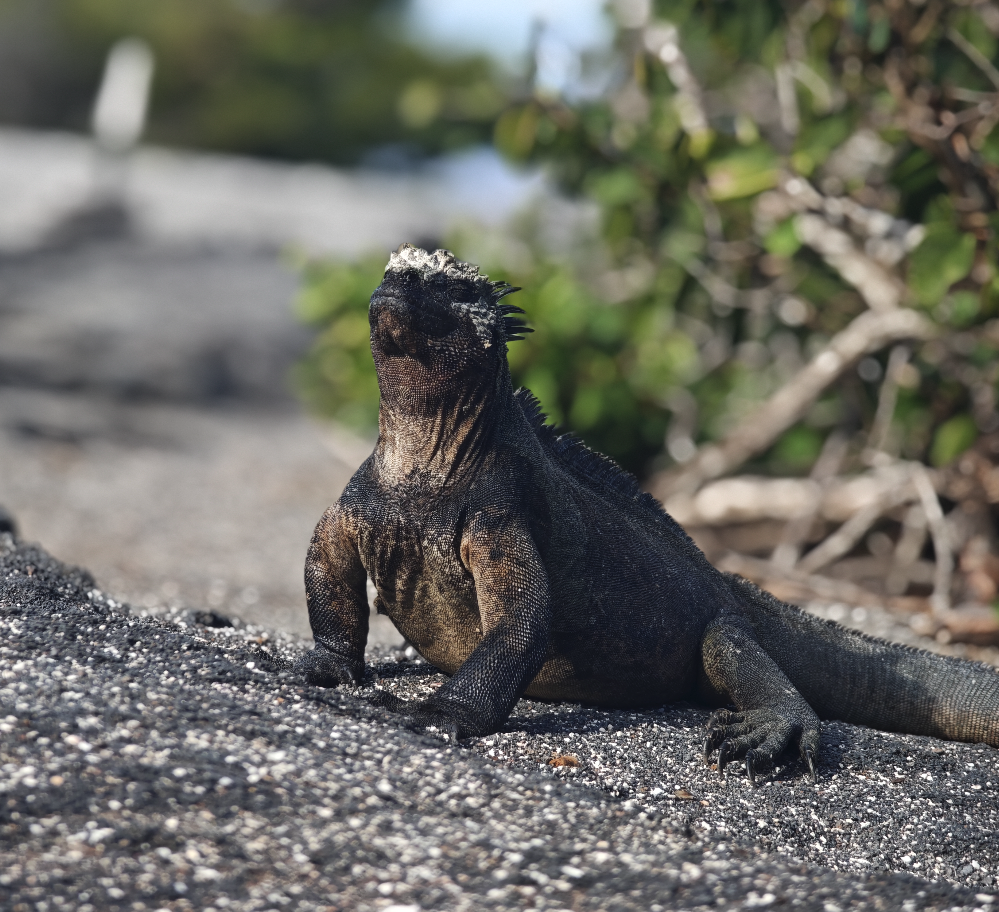
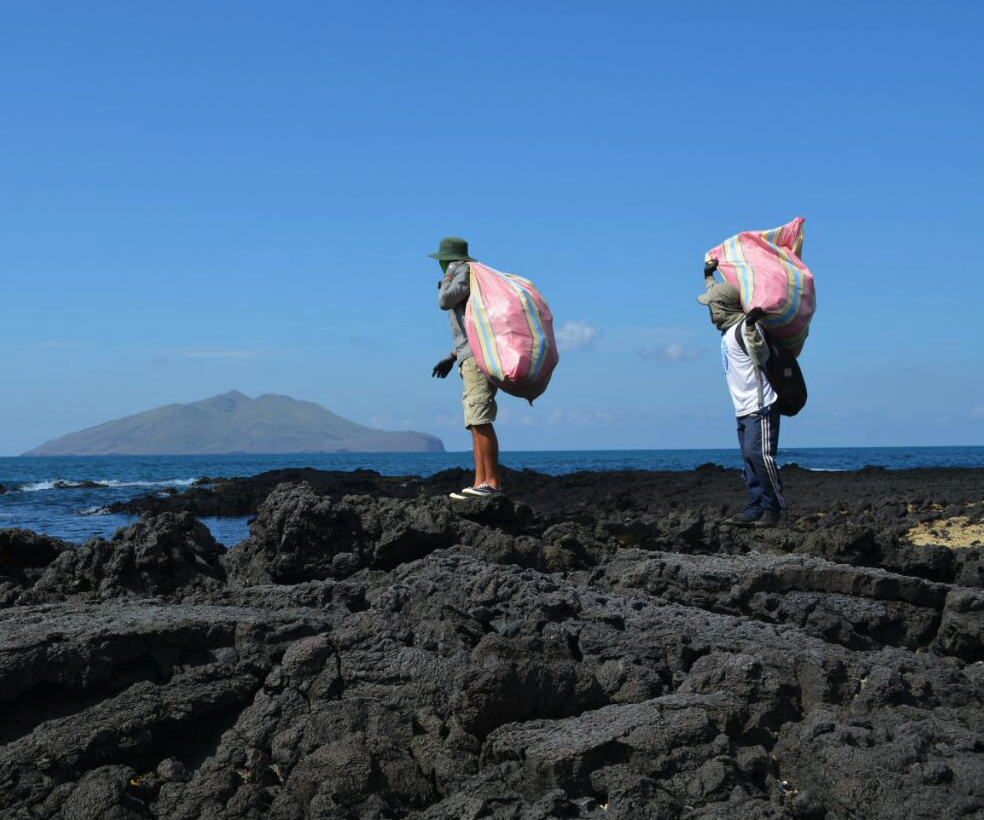
The Galápagos Islands face increasing threats from marine debris carried in by the same ocean currents that make the archipelago ecologically unique, accumulating on the islands & coasts. This pollution poses a serious risk to endemic and iconic species, including marine iguanas, sea turtles, sea lions, flightless cormorants, finches and others, many of which suffer injury or death from entanglement or ingestion.

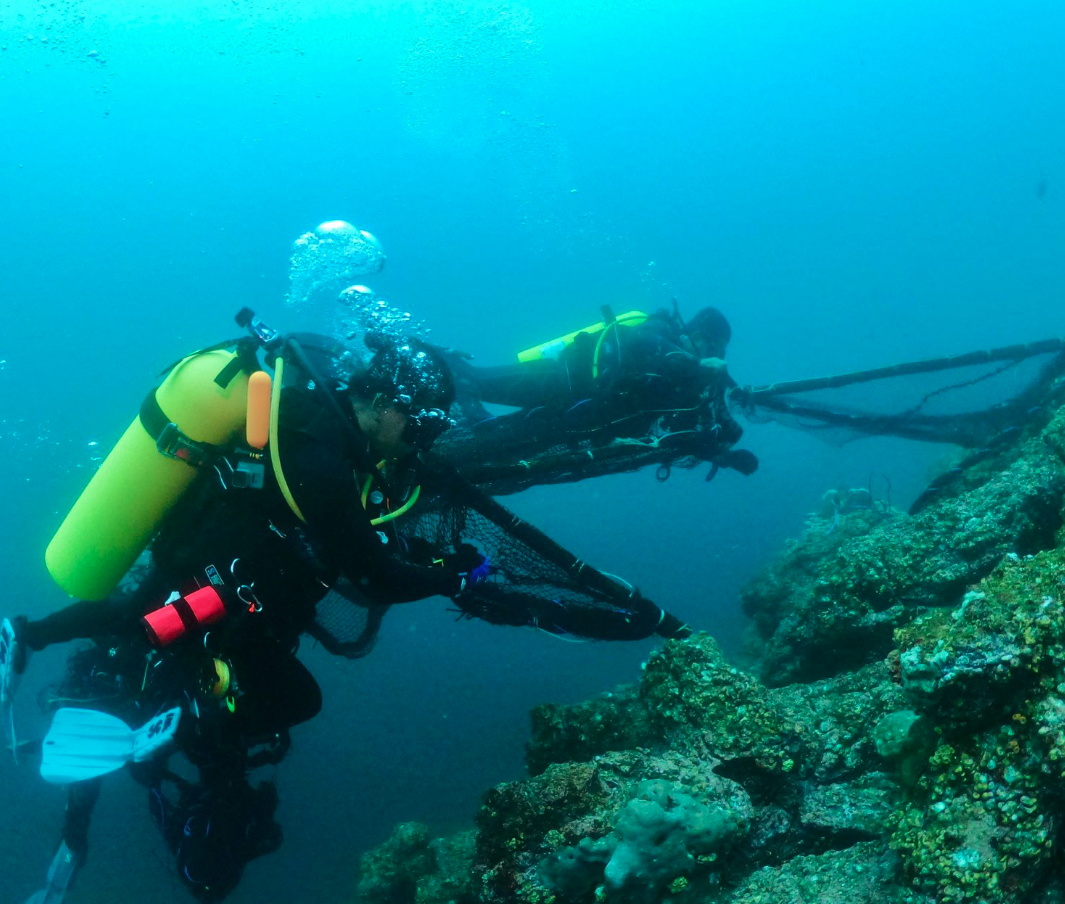
This five-year program aims to enhance the resilience of coastal and underwater ecosystems in the Galápagos Islands by significantly removing and reducing marine pollution and strengthening adaptative capacity to climate change. Through coastal and underwater cleanups in priority areas, targeted behaviour change campaigns, public awareness efforts, and strong community engagement, the project seeks to build local ownership and reduce the impact of marine debris, while at the same time building the foundations for a thriving blue economy built on income-generating marine conservation actions, especially with Galápagos & fishing sector. The program also includes strengthening institutional capacities to ensure the long-term protection of marine biodiversity and foster lasting conservation outcomes.

No items found.

OBJECTIVES

To restore marine and coastal ecosystems affected by plastic pollution by removing approximately 20 tons of marine debris from 100 km of coastline and five sub-tidal sites by end of 2029, while building local capacity and sustainable financing mechanisms to safeguard the long-term health of the Galápagos Marine Reserve (GMR).

EXPECTED RESULTS

  • 310 coastal and underwater cleanup interventions completed across 8 islands, removing approximately 20 metric tons of marine debris across 100 km of coastline.
  • A sustained social marketing campaign delivered through at least 25 education and outreach events, reaching 3,000 residents and visitors and achieving a 20-percentage-point increase in correct plastic-reduction behaviours.
  • 1,683 community members engaged in cleanup activities, including 183 artisanal fishers benefiting from paid services.
  • Approximately 100 staff trained across key institutions including the Galápagos National Park rangers, municipal environmental officers and other relevant agencies, strengthening institutional capacity.

Partnering with Conservation International (CI)

Conservation International (CI) was established in 1987, began operating in Ecuador in 2002, and established its Galápagos office in 2004. CI’s mission is: “Building upon a strong foundation of science, partnership, and field demonstration, Conservation International empowers societies to responsibly and sustainably care for nature, our global biodiversity, and the well-being of humanity.” CI works with the fishing and agriculture sectors that interact directly with natural resources, the local communities that buy and sell products, and the public institutions that formulate policies to secure nature & critical benefits to humanity.

KEY PARTNERS

  1. Galápagos National Park Directorate (GNPD)
  1. Galapagos Conservation Trust (GCT)
  1. Frente Insular
  1. Local Fisherman
  1. Ecuadorian Navy Oceanographic Institute (INOCAR)
  1. Municipal Governments of Santa Cruz, San Cristóbal & Isabela
  1. Ministry of Education (MINEDUC)
Galápagos National Park Directorate (GNPD)
Galapagos Conservation Trust (GCT)
Frente Insular
Local Fisherman
Ecuadorian Navy Oceanographic Institute (INOCAR)
Municipal Governments of Santa Cruz, San Cristóbal & Isabela
Ministry of Education (MINEDUC)

COHORT 2